Tuesday, 12 May 2020

"Multi-disciplinary teams are needed to sensitively diagnose autism in Deaf children"

From the Association for Child and Adolescent Mental Health:
"An ethnographic study of NHS professionals, who diagnose autism in Deaf children, finds that recognizing the intersections between mental health and Deaf culture is essential for healthcare professionals to make sensitive diagnoses. The study, conducted by researchers in the UK and the Netherlands and published in the journal of Culture, Medicine and Psychiatry was based on an analysis of the practices and perceptions of 16 health service professionals who have conducted autism assessments for Deaf children aged between 0 and 18 years.
Natassia Brenman and colleagues learnt that professionals working in specialist Deaf Services, or with experience working with the Deaf community, had an intersectional understanding of autism assessments. As such, these professionals used their knowledge of how cultural, linguistic, sensory, and social factors interact when making their diagnoses. Many professionals highlighted that Deaf language and culture can be markedly different from social communication observed in the hearing population. Consequently, a commonly vocalized frustration was the emphasis on using a diagnostic system that focuses on comparisons to ‘norms’ based on populations from a hearing culture.
Undertaking an autism assessment is more complex when the affected child is Deaf. Indeed, the primary issue raised by the professionals involved in this study was how to differentiate between the features or behaviours they should attribute to autism, and which to deafness. Going forward, Brenman and colleagues posit that multi-disciplinary diagnostic teams are necessary to help recognize the various dimensions of a Deaf child’s experience and abilities."
Link Here

Monday, 11 May 2020

"Research helps police understand child to parent abuse more than ever before"

"The study aimed to explore better ways to understand child to parent violence and highlight the need to formally recognise this within law enforcement and social services. Their aim was to develop new ways to prevent such abuse in the home and provide appropriate support to families.

The results of their research have now been made public and highlight that addressing CCVAB requires a multi-agency partnership approach.

The research team found a lack of coordination and information sharing between health, mental health, education, social care and criminal justice services. This meant that the police are often unaware of known concerns or follow-on actions that have been identified but are still required to respond to calls.

In particular, they found that link between school exclusion and attendance and incidents of CCVAB in the home requires further examination. They also identified the need for adult and child safeguarding teams to work more closely in these cases.

The study also recommends that recognising and recording CCVAB is an essential first step in understanding the extent and profile of this form of abuse."
From - Link

Friday, 1 May 2020

Vicarious trauma and Burnout

Assessment tool from ProQOL.org. So how do you measure up?


Compassion Satisfaction and Compassion Fatigue Rating
https://www.proqol.org/uploads/ProQOL_5_English.pdf

Some Prevention Suggestions for Carers
https://www.proqol.org/uploads/Prevention_suggestions.doc

Wednesday, 8 April 2020

Consultancy Work - April 2020 - updated June 2020


Access available for members and non-members. 
FAQ's via the following link - 

FAQs - Working Online With Children and Young People

"During this period of isolation, change and loss, access to online counselling and support services is likely to be crucial to many children, young people and families. The profession is changing on a daily basis, adapting to new challenges and providing services that may focus more on building resilience, keeping children and young people safe and checking well-being."

"While this guidance does not replace the experience and knowledge gained through appropriate, formal training, it will help you make informed choices and decisions that are in the best interests of your young clients."

"Comprehensive answers to most of these questions will require additional knowledge, learning and expertise gained through your practice, training and supervision.
Replacing face-to-face contact with digital platforms may suit some children, but not others, so we need to continue to be mindful of individual assessment and choice."

"We'll continue to amend and update our FAQs in line with current good practice guidance."

Sunday, 12 January 2020

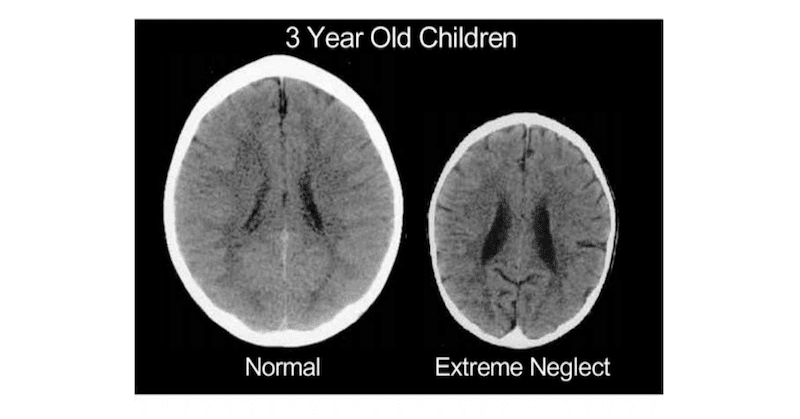
How Childhood Trauma Changes Our Hormones, And Thus Our Mental Health, Into Adulthood

Early life adversity is a major risk factor for the development of psychological and behavioural problems later in life. Higher rates of depression, suicidality, anxiety disorders, post-traumatic stress disorder, and aggressive behaviour have been reported in adults who experienced childhood maltreatment.
Traumatic childhood events also contribute to increased drug use and dependence. Initiation of drug-taking behaviour begins at a much younger age in those who’ve experienced childhood trauma. Exposure to stressful events in childhood can increase the impact of stressful events throughout life. Add divorce or unemployment to childhood trauma and someone can be more likely to develop psychological disorders or addiction.
(Australian article)

LINK